Housed at PhiXgen Pvt Ltd.
The International Microbial Literacy Initiative (IMiLI) is a global effort dedicated to promoting microbial literacy and enhancing public understanding of the fundamental role of microorganisms in sustaining life on Earth. IMiLI works toward reshaping the public narrative around microbes—from a predominantly disease-centric perception to a holistic understanding of microbes as essential drivers of ecosystem services, human health, agriculture, biotechnology, climate resilience, and planetary sustainability.
Promote global microbial literacy across age groups.
Integrate microbial understanding within One Health and Planetary Health frameworks.
Advocate early education in systems thinking and microbiology.
Develop accessible, scientifically accurate educational resources.
Foster international collaborations in microbiology outreach.
Encourage scientists to actively engage in science communication
The IMiLI–South Asian Centre (IMiLI-SAC) functions as a non-profit academic initiative within Phixgen Pvt. Ltd. While the IMiLI website and major IMiLI educational resources are technically maintained within Phixgen Pvt. Ltd., all outreach programmes, lectures, workshops, conferences, and community engagement activities are conducted under the banner of IMiLI–SAC as part of its non-profit microbial literacy mission. IMiLI-SAC serves as a regional hub for South Asia, translating the global IMiLI vision into sustained grassroots action. For more please visit: IMiLI-SAC
Promote microbial literacy among school students, college students, teachers, and communities.
Conduct structured outreach programs in rural and underserved regions.
Organise workshops on genomics, metagenomics, microbial ecology, and bioinformatics.
Build scientific capacity among early-career researchers.
Promote responsible science communication and publication ethics.
Organize conferences linking microbial science with sustainability.
Strengthen academia–industry–society interfaces through Phixgen Pvt. Ltd.
IMiLI-SAC undertakes educational, outreach, training, conference and public-engagement activities to promote microbial literacy and environmental sustainability.
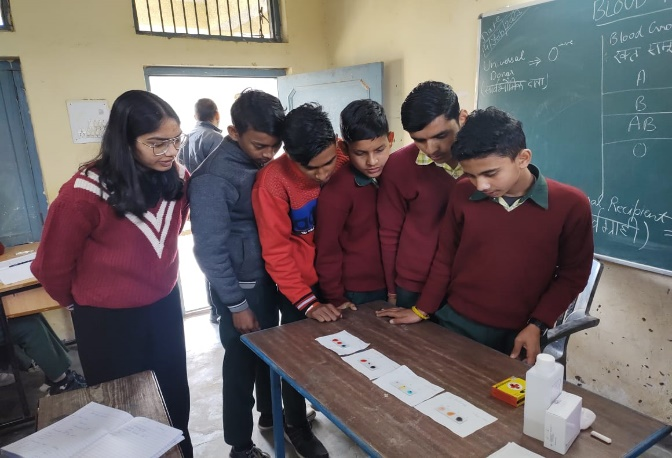
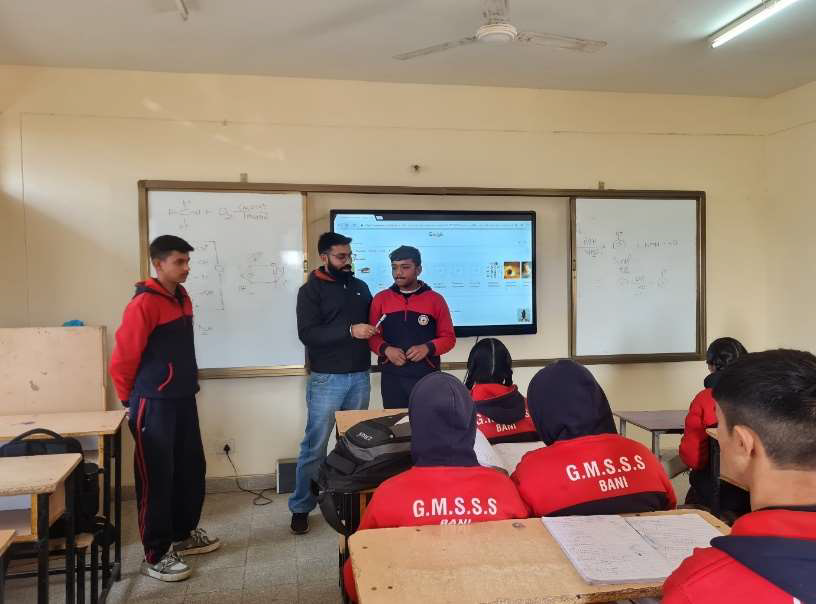
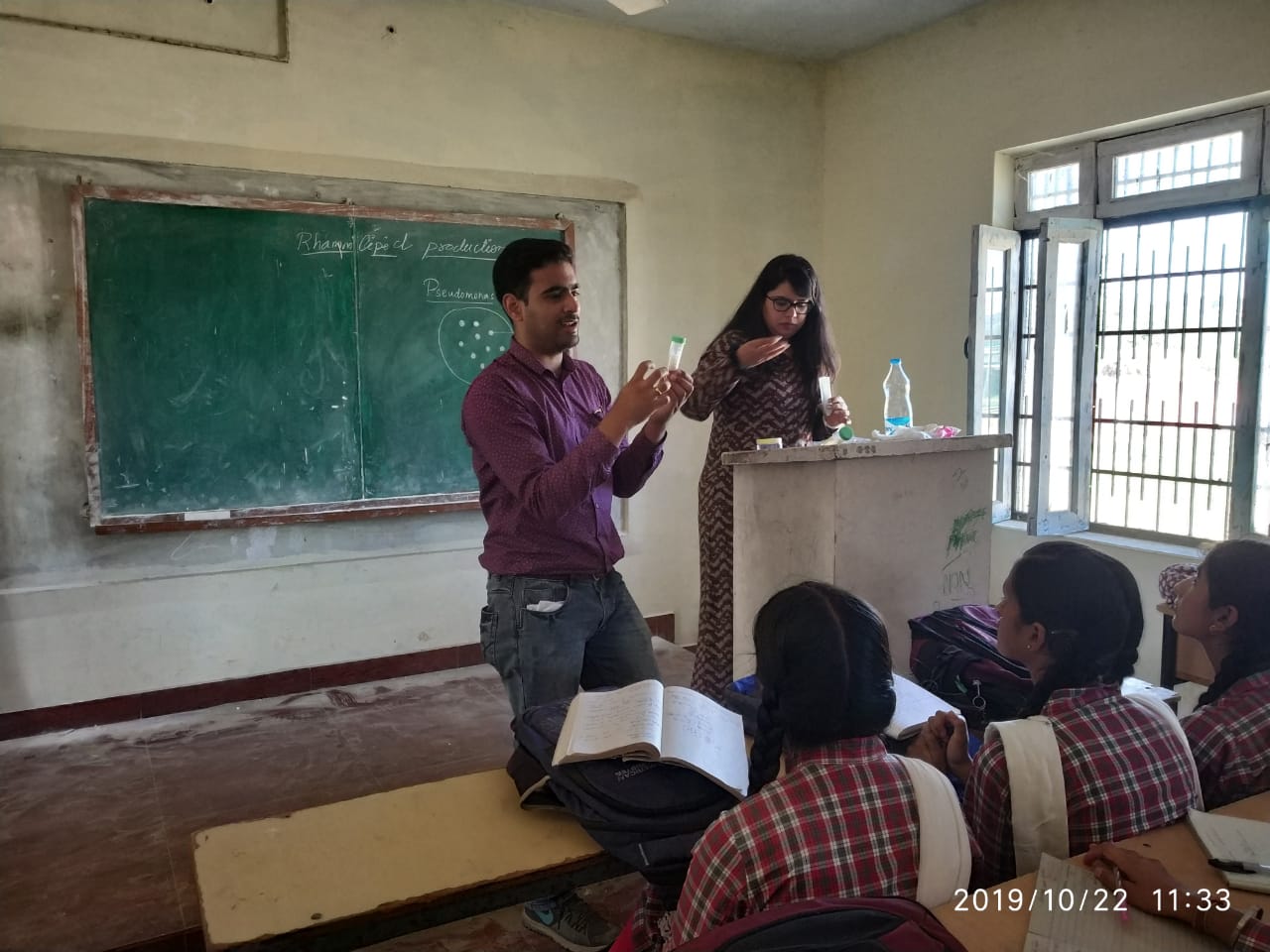
Promoting microbial literacy among school students through interactive outreach activities.
Celebrating the diversity and importance of microorganisms through public and educational events.
Developing practical knowledge and scientific skills among undergraduate and postgraduate students.
Bringing researchers, scientists, students and professionals together to exchange knowledge.
Integrating microbial literacy with environmental sustainability, climate action and planetary health.
IMiLI-SAC connects education, research, outreach and public engagement to build a scientifically informed society.
IMiLI-SAC operates through a network of scientific, academic, professional and technical collaborations.
IMiLI-SAC represents a structured regional implementation of the global IMiLI mission, connecting scientific excellence, public literacy, outreach and sustainability.
IMiLI-SAC integrates the following core dimensions to build a scientifically informed and environmentally conscious society.
Through sustained outreach, workshops, conferences, and school-level interventions, IMiLI-SAC seeks to create informed, responsible and environmentally conscious communities.
IMiLI-SAC continues to expand its footprint across South Asia by linking advanced microbial genomics with public literacy, ensuring that microbiology serves not only laboratories and journals but also classrooms, communities, and policy discourse.
District Hamirpur, Himachal Pradesh
Established: 1905
Visit Date: 21 February 2026
Outreach visit as part of an academic engagement initiative.
Visitors included: C. L. Kaushal, Rup Lal, Sukanya Lal, Reecha, Prof. Christof Holliger (EPFL, Lausanne, Switzerland), and Mrs. Helen Holliger.
The visit was both academic and deeply personal — a homecoming across four generations.
Ram Chander (maternal grandfather) – Primary education (1915)
C. L. Kaushal – Matriculation (1957)
Rup Lal & Savitri Devi – Passed out (1969)
Roshani Devi – Passed out (1971)
Bal Krishan – Passed out (1975)
Mukesh Kumar (Professor, IIT Roorkee) – Passed out (1980)
Several nephews later studied at the same institution.
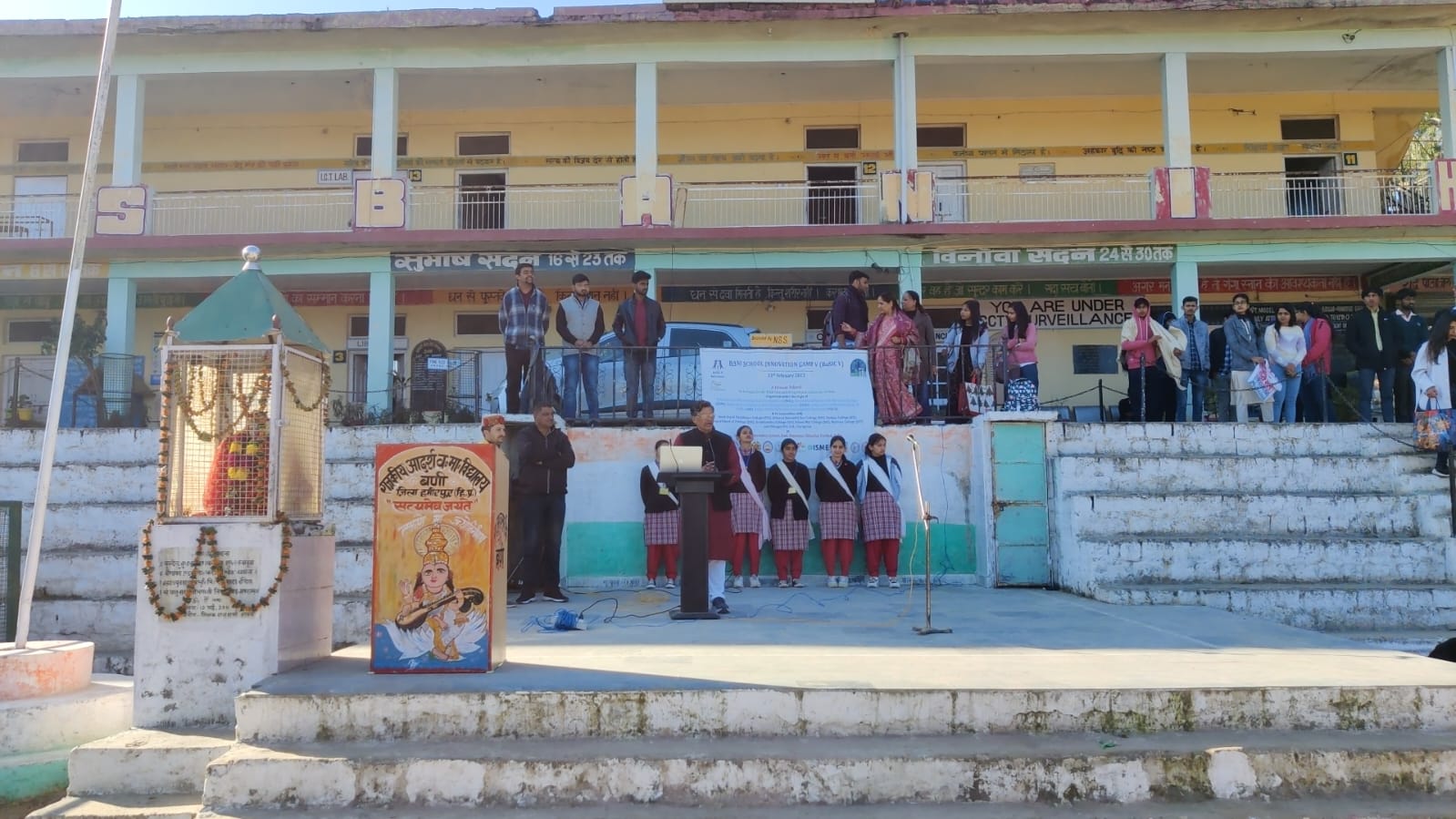
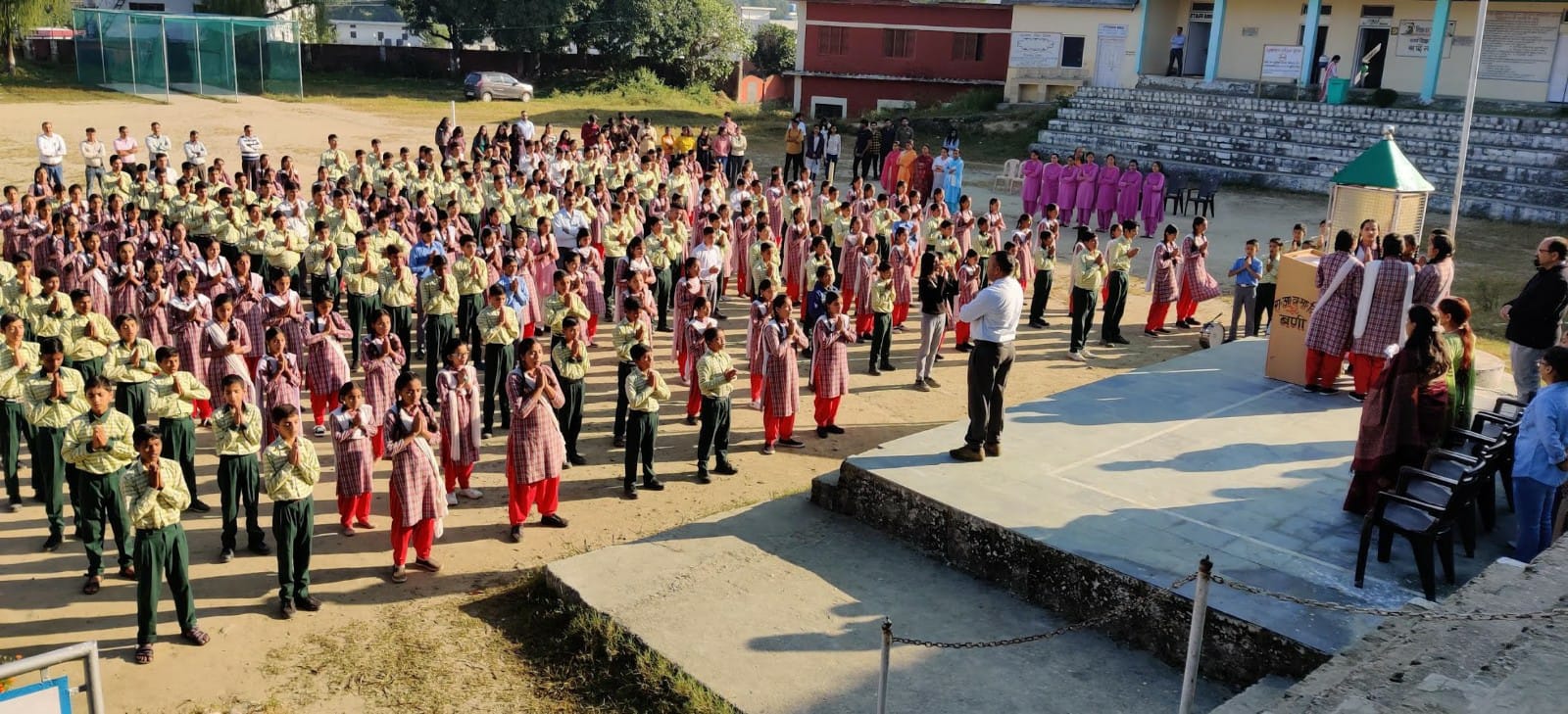
Morning prayer assembly reflected discipline and institutional continuity.
Major structural changes observed:
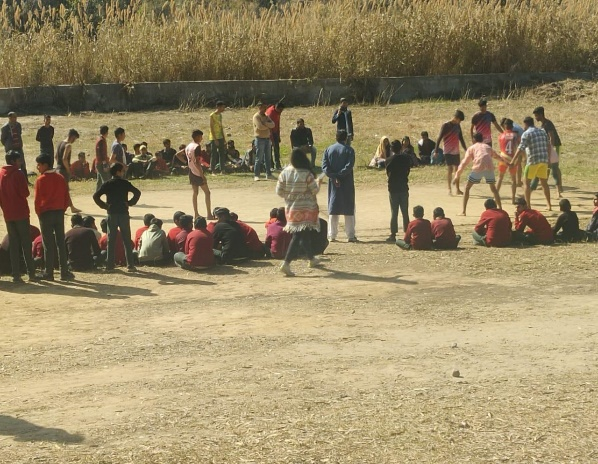
Former volleyball and kabaddi ground altered.
Old Principal’s office building removed.
Ber trees and bushes behind the school no longer present.
Water tank near banyan tree missing.
The banyan tree remains — symbolizing institutional legacy and continuity.
The school provided foundational values: discipline, confidence, and academic grounding.
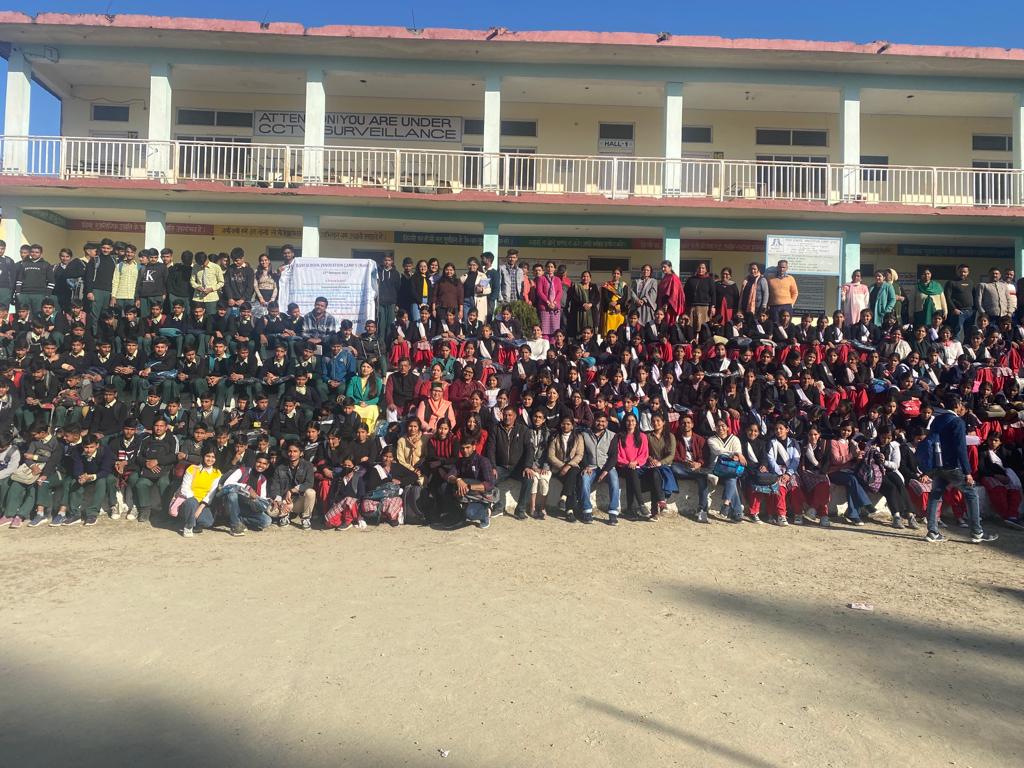
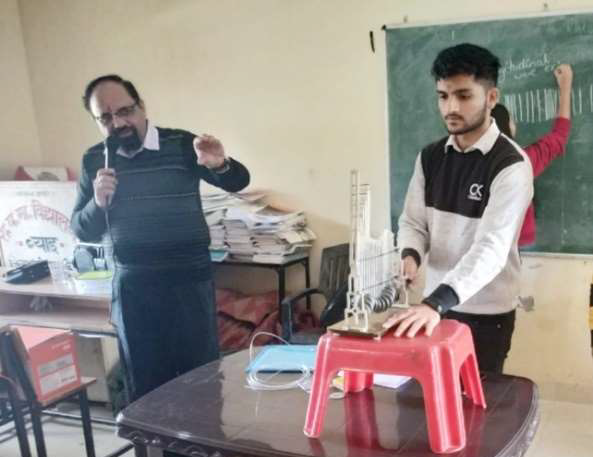
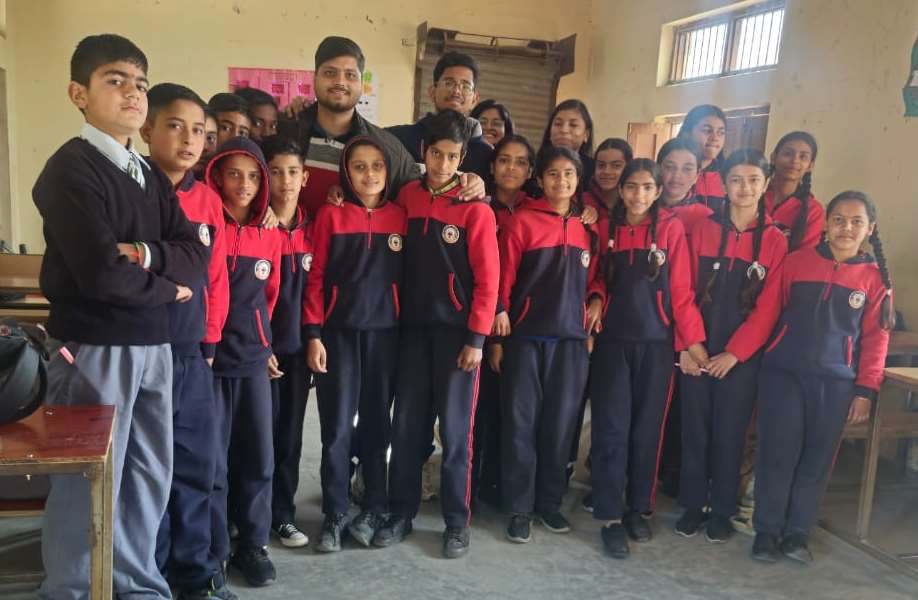
Outreach and academic interaction programme.
Organized by:
1.Dr. Rajneesh Kanwar
2.Ms. Rashmi Kanwar
Expression of gratitude to Principal Shri Rajesh Kumar, faculty, and students.
District Hamirpur, Himachal Pradesh
Visit Date: 21 February 2026
Well-structured institutional programme.
Cultural performances by students.
Strong academic interaction and student participation.
Demonstrated progressive transformation of rural education.
Represents modern private educational development in rural Himachal Pradesh.
Symbolizes the educational evolution of Bani as an emerging academic hub.
Visit of Prof. Christof Holliger (EPFL, Lausanne) highlighted international academic linkage.
Emphasized education as a bridge between rural India and global scholarship.
Gratitude extended to PPISS administration, teachers, and students for their hospitality and professionalism.